The ROI of Growth Systems For B2B: Measuring success effectively
Unlock Effectiveness and Growth With AI Automation for B2B Business
AI automation is changing the landscape for B2B business. It enhances procedures and reduces reliance on human treatment. This shift allows organizations to make quicker, data-driven decisions. As companies explore which processes to automate, they have to likewise think about the right devices to implement. Difficulties remain in embracing AI innovation. The implications of these changes could form the future of numerous firms in ways yet to be totally comprehended.
Understanding AI Automation in the B2B Context
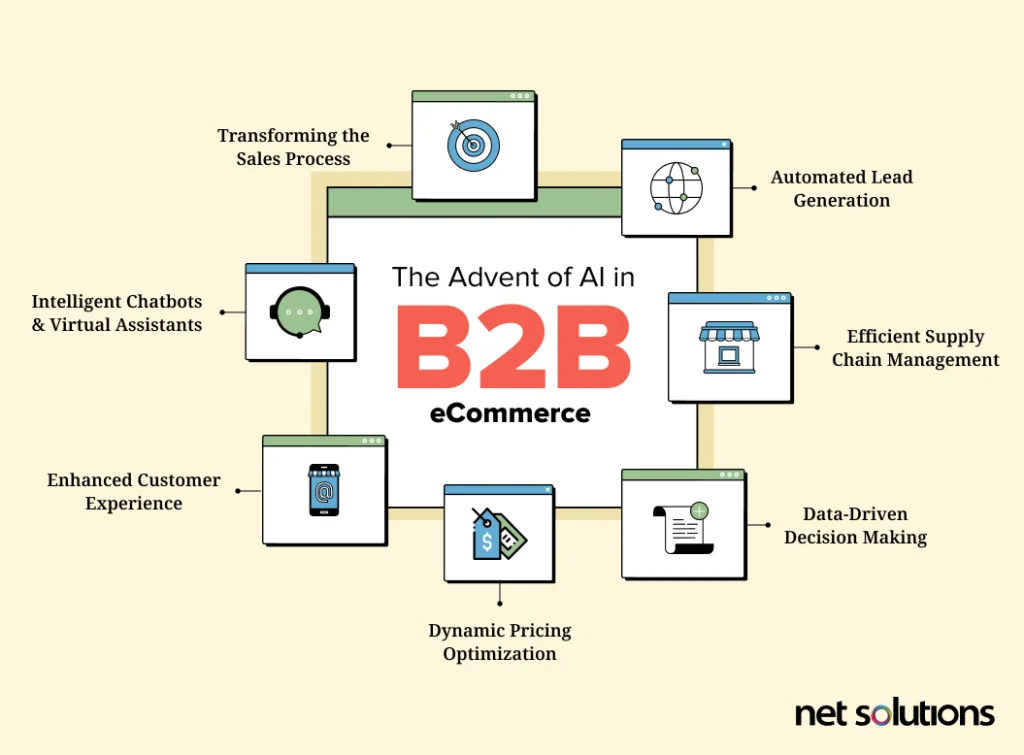
As companies significantly look for performance, understanding AI automation in the B2B context ends up being necessary. AI automation involves utilizing advanced innovations to enhance procedures, decrease human intervention, and improve decision-making processes. In the B2B landscape, this can materialize in various kinds, such as automating customer care communications, handling supply chain logistics, or optimizing advertising and marketing projects. Business can leverage AI to assess large datasets rapidly, allowing them to identify trends and insights that educate critical choices. Furthermore, AI systems can integrate perfectly with existing technologies, giving a natural system for taking care of organization features. This understanding lays the groundwork for companies to check out just how AI can transform their procedures, enhance productivity, and ultimately foster sustainable growth in an open market.
Trick Benefits of Carrying Out AI Automation
Determining Processes Appropriate for Automation
Exactly how can B2B business efficiently identify procedures suitable for automation? A systematic approach starts with drawing up existing process to identify repeated and taxing jobs. These tasks often consist of data entrance, invoicing, and customer follow-ups. Business need to analyze the regularity and volume of these procedures, as high-frequency tasks present the biggest possibility for efficiency gains. Additionally, evaluating the possibility for mistake decrease and resource allotment can highlight locations ripe for automation. Engaging staff members in discussions can additionally give understandings right into which procedures prevent performance. Firms must take into consideration the positioning of automation with their critical goals, making sure that the recognized processes add to total company purposes, inevitably promoting smoother procedures and boosted growth.
Picking the Right AI Devices for Your Service
When B2B companies consider automating their processes, selecting the appropriate AI devices ends up being essential for achieving wanted outcomes. Firms need to start by assessing their distinct demands and purposes, making certain alignment with organization objectives. Evaluating the flexibility, assimilation, and scalability capacities of prospective devices is crucial, as these variables establish lasting performance (B2B Automation Consulting). Organizations needs to also take into consideration user-friendliness and the level of support offered by suppliers, as these components can influence successful implementation. On top of that, analyzing client evaluations and case research studies can supply understandings right into exactly how certain AI options execute in real-world circumstances. By meticulously picking AI devices that fit their functional requirements, B2B firms can improve performance and drive development while reducing prospective disturbances
Getting Over Challenges in AI Fostering
B2B firms frequently experience substantial challenges in taking on AI technologies, particularly concerns connected to information quality and resistance to transform monitoring. Poor data top quality can prevent the effectiveness of AI systems, while worker reluctance to embrace new procedures can stall execution efforts. Attending to these challenges is essential for effective AI integration and maximizing its possible advantages.
Information Top Quality Issues
Assuring high data high quality is necessary for the successful adoption of AI innovations in business-to-business environments. Inaccurate, insufficient, or obsolete information can badly hinder AI efforts, resulting in erroneous insights and inadequate decision-making. Companies commonly encounter challenges such as data silos, inconsistencies across various sources, and a lack of standardized information styles. To get over these issues, organizations should spend in information cleansing, combination, and governance procedures (Growth Systems For B2B). Implementing robust data monitoring methods ensures that the info fed right into AI systems is reputable and pertinent. Fostering a culture of information top quality understanding amongst workers can improve data precision over time. By attending to data quality concerns, B2B companies can launch the full possibility of AI automation, driving effectiveness and growth
Modification Management Resistance
Conquering modification monitoring resistance is essential for the effective application of AI efforts within organizations. Employees usually show skepticism towards AI, fearing work variation or adjustments to well-known operations. To fight this, leadership has to foster a society of visibility and continuous understanding. Providing training and clear interaction concerning the benefits of AI can develop and reduce problems count on. Involving staff members in the shift procedure urges collaboration and reduces resistance. In addition, identifying modification champions within Bonuses teams can assist in smoother acceptance of AI technologies. As organizations navigate this change, resolving useful and emotional concerns associated to AI fostering ends up being essential for optimizing the modern technology's possible and making certain a seamless integration into existing processes.
Determining the Impact of AI Automation
Measuring the influence of AI automation in B2B companies requires a clear understanding of essential efficiency signs (KPIs) that line up with company objectives. Efficient information analysis methods are vital for analyzing the results, while durable ROI analysis approaches assist determine the monetary benefits of automation initiatives. Together, these components offer a comprehensive structure for examining AI's contributions to business success.
Key Efficiency Indicators
Secret performance indications (KPIs) function as important devices for B2B companies to examine the effectiveness of AI automation efforts. By establishing clear metrics, organizations can gauge renovations in operational performance, cost decrease, and profits growth directly attributable to automation. Typical KPIs consist of cycle time reduction, mistake rates, client contentment scores, and staff member efficiency levels. These indications provide insights into exactly how AI systems are optimizing procedures and boosting overall efficiency. Furthermore, tracking KPIs allows business to identify locations for further renovation and to line up AI automation initiatives with calculated service objectives. Ultimately, a distinct structure of KPIs warranties that B2B companies can quantitatively evaluate the impact of AI automation on their procedures and drive continuous development.
Information Evaluation Strategies
Efficient information evaluation methods play an essential function in assessing the effect of AI automation within B2B business. By utilizing analytical methods, organizations can recognize trends and patterns in operational information, permitting them to assess the effectiveness obtains attained with automation. Techniques such as regression analysis and time series projecting offer understandings into how AI-driven processes affect productivity and decision-making. Minarik AI. Additionally, data visualization tools can properly communicate searchings for to stakeholders, facilitating informed tactical choices. Artificial intelligence formulas can further improve evaluation by anticipating future outcomes based upon historic information, supplying actionable understandings. Eventually, these methods allow B2B firms to gauge success and optimize their AI automation efforts, making sure positioning with business goals and boosting general performance
ROI Evaluation Strategies
Reviewing the return on financial investment (ROI) of AI automation is essential for B2B business seeking to understand the economic effects of their technical efforts. Companies can utilize different ROI assessment techniques to assess the performance of AI executions. One efficient strategy entails calculating price financial savings by contrasting functional costs before and after automation. Furthermore, determining productivity renovations with essential efficiency signs (KPIs) assists measure the benefits of AI. Consumer contentment metrics can additionally supply understandings right into the effect of automation on solution top quality. To guarantee a thorough analysis, business should think about both direct economic returns and intangible advantages, such as enhanced decision-making capabilities and affordable advantage. This complex assessment makes it possible for B2B firms to make enlightened choices regarding future investments in AI innovation.
Future Fads in AI Automation for B2B Business
What developments lie in advance for AI automation in B2B firms? Emerging trends suggest a considerable change towards improved data analytics capacities, enabling companies to make even more enlightened decisions (Growth Systems For B2B). Anticipating analytics will come to be increasingly crucial, enabling business to prepare for market changes and client demands. Additionally, the combination of AI with Internet of Points (IoT) technology is expected to improve operations by supplying real-time insights and automation of procedures. Companies will also focus on improving customer experiences with customized marketing driven by AI algorithms. Additionally, improvements in all-natural language handling will certainly help with much better communication between organizations and clients. As these fads develop, B2B business should adapt to leverage AI automation efficiently, guaranteeing sustained growth and competitive advantage
Often Asked Questions
What Industries Advantage one of the most From AI Automation in B2B?
Production, money, medical care, and logistics industries benefit the most from AI automation in B2B. These markets leverage AI to optimize processes, enhance decision-making, and improve total functional performance, driving considerable growth and innovation.
Just How Does AI Automation Impact Staff Member Duties and Responsibilities?
AI automation improves employee roles and responsibilities by streamlining recurring tasks, making it possible for employees to focus on tactical initiatives. This shift cultivates skill growth, enhances performance, and urges cooperation, ultimately driving organizational growth and advancement.
What Prevail Misconceptions About AI Automation in B2B?
Common mistaken beliefs about AI automation in B2B include fears of work loss, ideas that AI can completely change human judgment, and taking too lightly the relevance of collaboration between AI systems and staff members for excellent results. - AI Automation For B2B
Exactly How Can Companies Ensure Information Privacy With AI Automation?
Businesses can ensure information privacy with AI automation by implementing robust security methods, sticking to regulative compliance, conducting normal audits, and training employees on information dealing with methods to alleviate risks and secure delicate details. (Growth Systems For B2B)
What Are the Costs Connected With Implementing AI Automation?
The costs associated with executing AI automation consist of software procurement, facilities upgrades, training employees, continuous upkeep, and prospective downtime during integration. In addition, firms might incur costs connected to data safety and compliance steps.
Determining the effect of AI automation in B2B business needs a clear understanding of essential performance signs (KPIs) that straighten with service purposes. Trick efficiency indications (KPIs) serve as vital devices for B2B companies to examine the effectiveness of AI automation campaigns. Effective data analysis strategies play an essential duty in assessing the impact of AI automation within B2B firms. Assessing the return on financial investment (ROI) of AI automation is essential for B2B companies looking for to comprehend the monetary effects of their technological campaigns. What advancements exist ahead for AI automation in B2B business?